
Magnetic sheet strength factory





Characteristics of demand for magnetic building blocks in foreign markets
Emphasis on the value of education
Foreign markets, especially North America and Europe, have a strong demand for educational toys. Parents and educational institutions generally believe that toys are not only entertainment tools, but also an important means to promote children's cognitive development. Magnetic Building Blocks are favored for their ability to cultivate children's spatial thinking, creativity and logical thinking. In North America, for example, consumers are willing to invest in high-quality educational toys to support their children's learning and growth.
Safety and quality standards
Foreign markets have strict requirements for the safety and quality of toys. Countries have detailed toy safety standards, such as the European Union's EN 71 standard and the United States' ASTM F963 standard. Magnetic building blocks must meet these standards during the design and production process to ensure the safety of the product. In addition, consumers have high expectations for the durability of products and the environmental protection of materials.
Innovation and interactivity
With the development of science and technology, foreign consumers have put forward higher requirements for the innovation and interaction of toys. In the magnetic building block market, products that combine digital technology are becoming more and more popular. For example, some magnetic building block products provide a richer interactive experience for children through augmented reality (AR) or interactive applications. This innovation not only enhances the fun of the toy, but also enhances its educational value.

Parent-child interaction and emotional cultivation
In many countries, parent-child interaction is seen as an important part of early childhood development. As a kind of parent-child interactive toy, magnetic building blocks can provide opportunities for families to participate together. Parents can build magnetic building blocks with their children to enhance parent-child relationships while nurturing their children's emotional and social skills.
Market segmentation and personalized needs
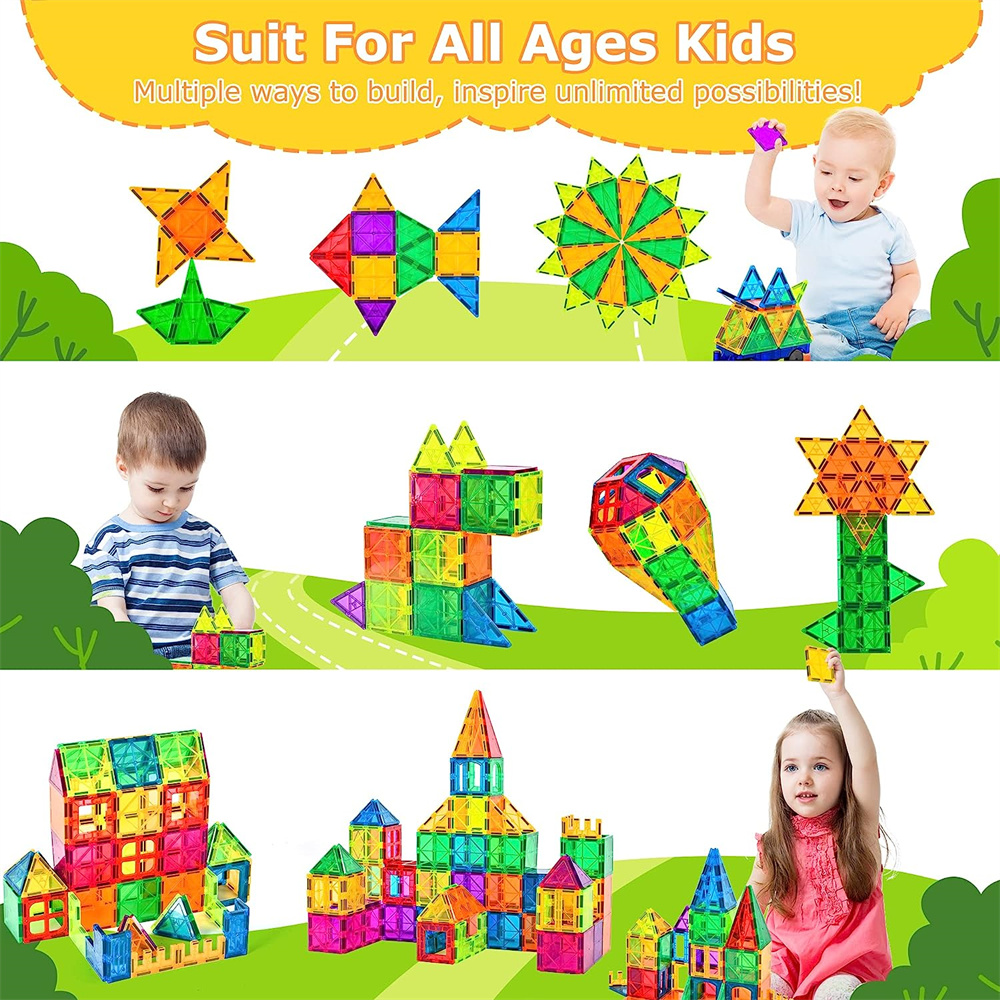
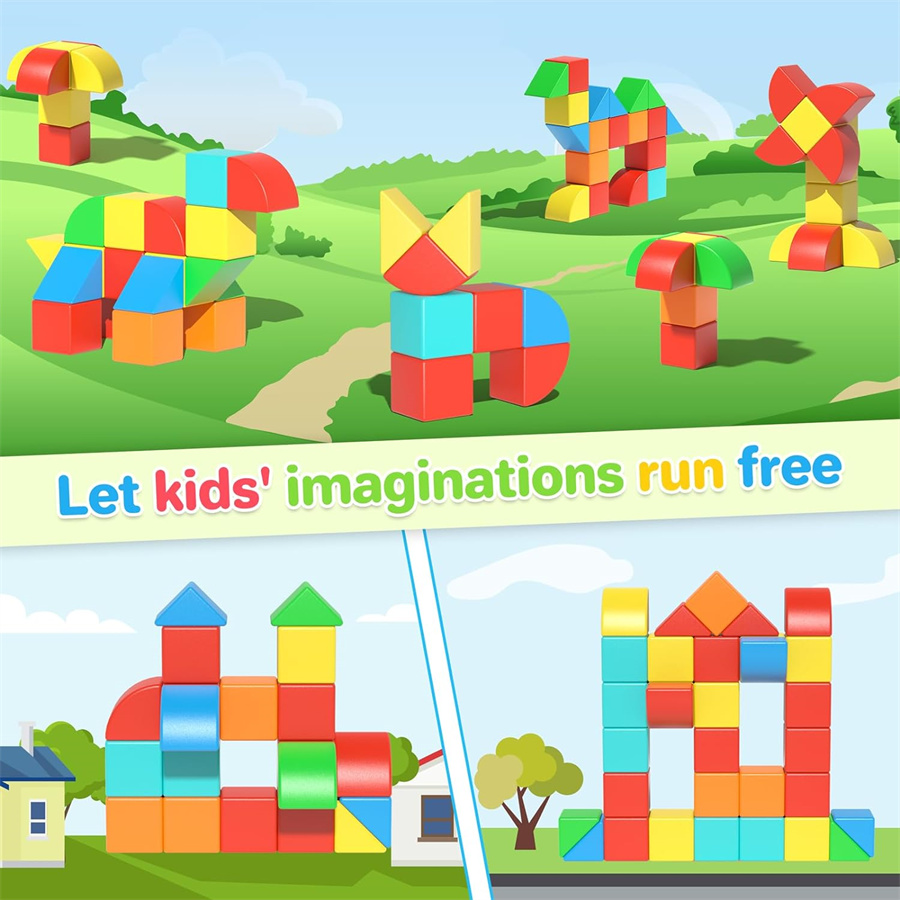
The demand for magnetic building blocks in foreign markets shows an obvious trend of differentiation. Children of different ages have different needs for magnetic building blocks. For example, products aimed at preschoolers are often designed to be simpler and safer, focusing on basic shape and color recognition; For older children, more sophisticated build kits are provided to meet their need for challenge and creativity.
Cultural and regional differences
The demand for magnetic building blocks in different countries and regions is also influenced by local culture and consumption habits. For example, in some countries that pay attention to traditional culture, consumers may be more inclined to buy magnetic building blocks with local cultural elements. In addition, consumers in different regions have different packaging, marketing methods and price sensitivity to products.
Sustainability and environmental protection
Increased environmental awareness has made sustainability an important consideration in foreign markets. Consumers are increasingly concerned about the environmental attributes of products, such as the use of recyclable materials and the adoption of environmentally friendly production processes. Magnetic building block manufacturers need to consider these factors in the product design and production process to meet the market demand for environmentally friendly products.

conclusion
In general, the demand for magnetic building blocks in foreign markets shows a trend of diversification and differentiation. Educational value, safety, innovation, parent-child interaction, cultural differences, sustainability and other factors together affect consumer choice. Manufacturers need to continuously optimize product design and improve product quality, while paying attention to changes in market dynamics and consumer demand, in order to occupy a place in the competitive international market.