
Magnetic sheet strength factory


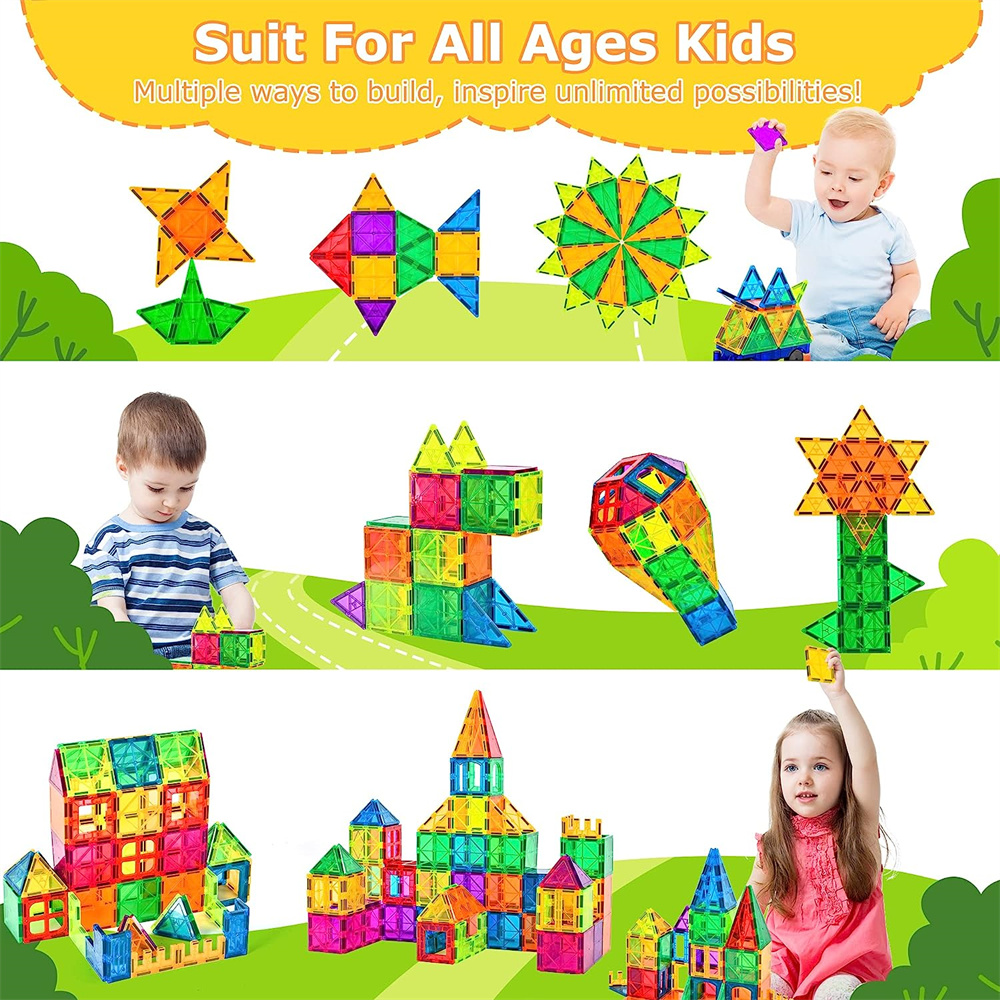

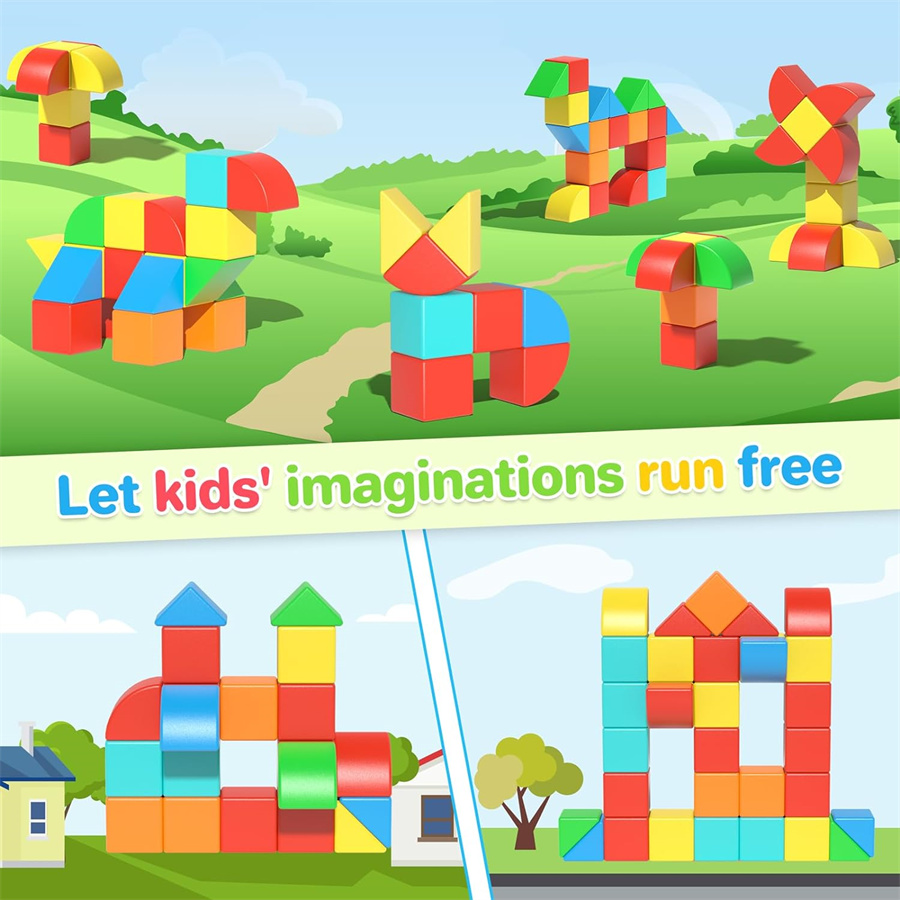


How can magnetic building blocks be used in STEM education?
The application of magnetic blocks in STEM education is multifaceted, they can not only stimulate children's creativity and imagination, but also help them build a strong foundation in science, technology, engineering and math. Here are some specific applications of Magnetic Blocks in STEM education:
Science: Magnetic blocks help children understand basic physics by demonstrating the attraction and repulsion of magnets. For example, in experiments, children can use magnetic blocks to observe and explore the penetration of magnetic forces and the properties of magnets that attract iron objects. This intuitive experience helps children build a rudimentary understanding of scientific concepts.
Technology: The modular design and magnetic connection of magnetic blocks is itself an application of technology. During the construction process, children can learn basic mechanical principles and structural stability, which will lay the foundation for their future exposure to more complex technical concepts.
Engineering: In engineering, magnetic Building Blocks allow children to design and build a variety of structures, from simple geometric shapes to complex three-dimensional structures. This process not only exercises the children's spatial imagination, but also allows them to understand the basic elements of engineering construction, such as balance, stability and structural strength.

Mathematics: Through the use of magnetic blocks, children can learn about geometry and spatial relationships. They can build different shapes to understand the properties of shapes, such as sides, corners, and faces, and how these shapes fit together to form more complex structures.
Creativity and problem solving: The versatility and modular design of magnetic blocks encourages children to be creative and design unique pieces. At the same time, the problems they encounter during the construction process, such as structural instability or unsuccessful design, require them to use their brains to find solutions, thus cultivating problem solving ability.
Teamwork and social skills: Using magnetic blocks in teamwork, children can learn how to share, exchange ideas, and work together on a project. This collaborative process helps develop their social skills and teamwork.
Safety education: Magnetic blocks can also be used to aid safety education. For example, the design of a magnetic building block toy set, through simple operations to achieve a variety of three-dimensional theme scene construction, combined with card game tasks, to provide a more comprehensive game scene. Parents can use toy components and scenes to tell their children about safety knowledge, improve education methods, and achieve the company of children.
To sum up, the application of magnetic blocks in STEM education is comprehensive and in-depth, and they not only provide a fun learning platform, but also help children develop key skills in multiple subject areas.