
Magnetic sheet strength factory


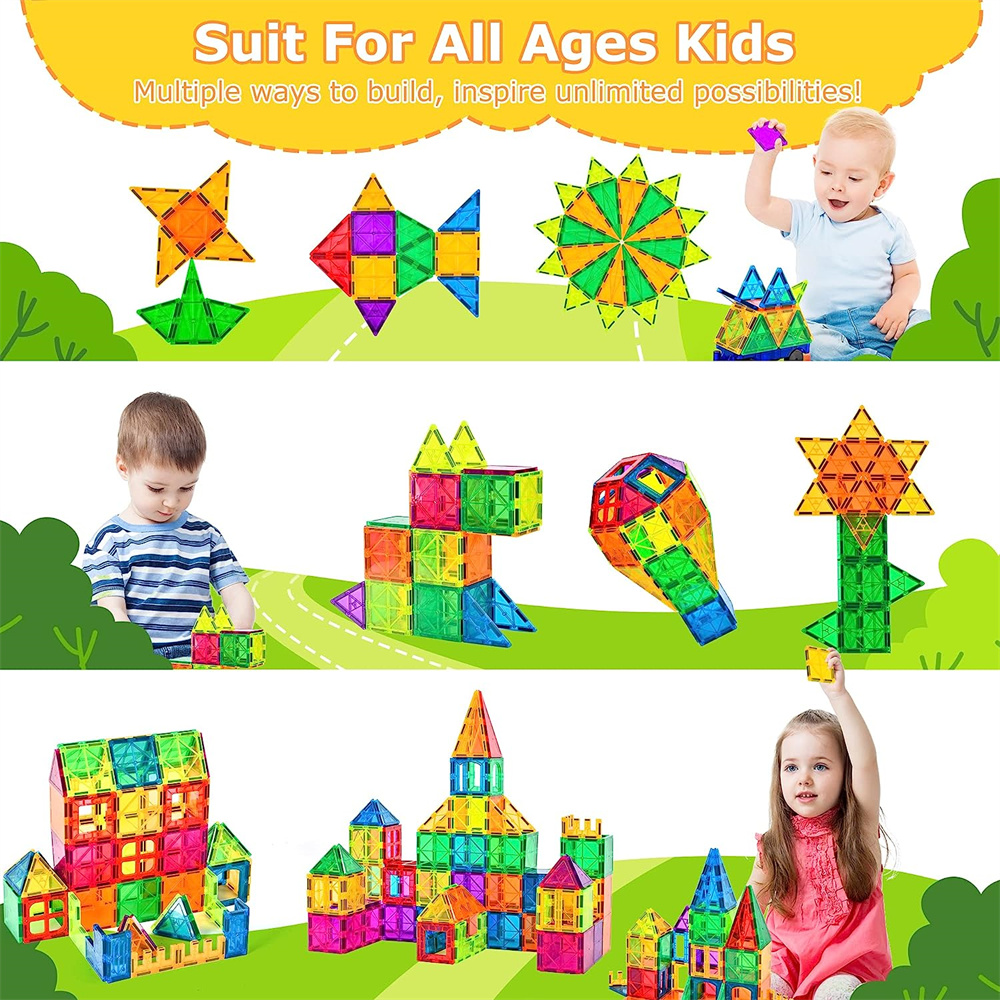

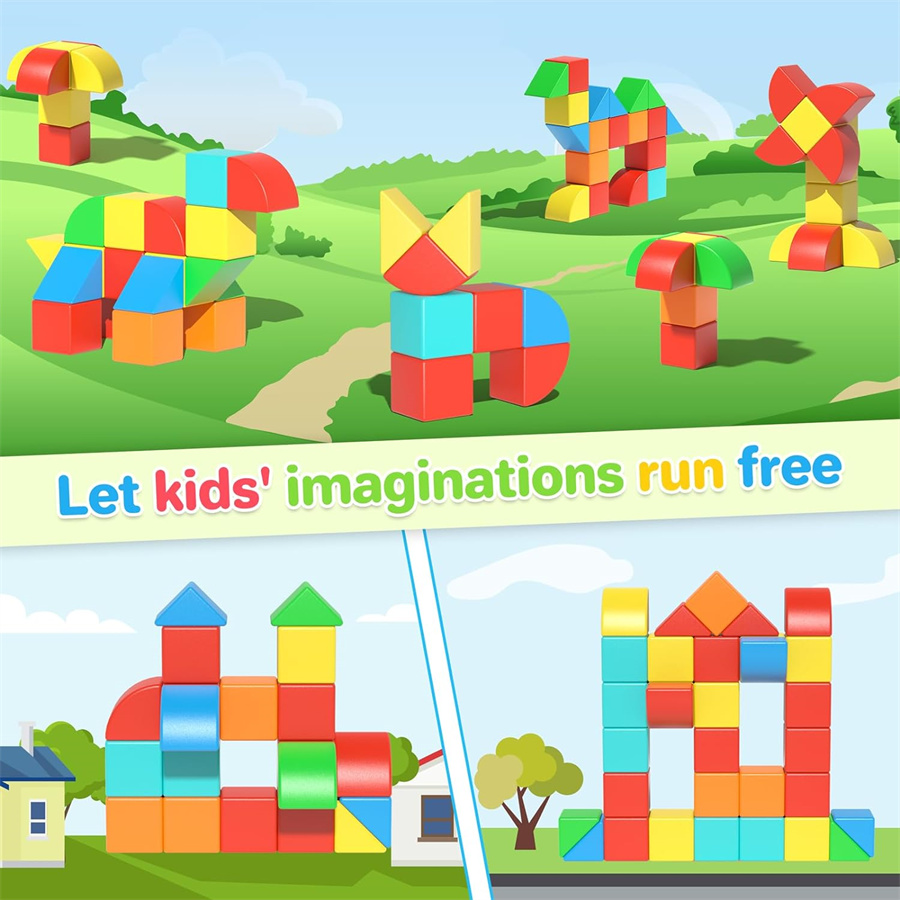


Montessori teaching AIDS ≠ toys!
Montessori education is named after Maria Montessori (1870-1952), a famous Italian female educator. In 1898, Montessori delivered a speech entitled "Spiritual Education" at the educational conference held in Turin, pointing out that "the intellectual disability of children is mainly an educational problem, not a medical problem" and appealed to society to give mentally disabled children the same right to education as normal children. In 1907 Montessori used the original method to establish the first "children's home" in the slums of Rome, to educate children aged 3-6, and harvested amazing results, those "ordinary and poor" children, a few years later, the mind has undergone a huge change, and has been cultivated into an educated, vibrant, intelligent and confident young talents. Since then, from 1913 to 1915, Montessori schools have been spread across all continents of the world.
At Montessori schools, children learn in a carefully prepared learning environment with an integrated curriculum presented in the form of multi-sensory, hands-on materials. This approach values the child's overall development - physically, socially, emotionally, and cognitively. The core of its educational philosophy is child-centered, focusing on the characteristics of children's autonomy, self-discipline and free development, encouraging children to learn through their own experience and exploration, and providing them with creative and meaningful environments and tools.

The following are some important ideas of the Montessori method of education:
1. Children are autonomous learners, with intrinsic drive and ability to learn and develop through their own experience and exploration.
2, based on the developmental needs of children, provide different learning environments and tools according to the characteristics and abilities of children at different ages.
3, pay attention to the overall development, including intellectual, emotional, social, spiritual and other aspects.
4, pay attention to the individuality and diversity of children, and encourage children to develop their potential in a free and creative environment.
5, children's sensitive period, sensitive period is a child in a certain period of development, a certain element of the environment has a strong sensitivity, or a certain aspect of the environment has a strong sensitivity, will drive the child to do the relevant activities, until he obtains the relevant sensitivity of the task is completed.
6, respect for the freedom and dignity of children, should not be excessive intervention and control of children's behavior and thinking.
In fact, there are many ideas and methods in Montessori education, such as Montessori teaching AIDS. The difference between Montessori and ordinary toys is not only reflected in their functions, but also reflects two different educational philosophies at a deeper level. Understanding these differences is crucial for parents because choosing the right toys or teaching AIDS can significantly affect a child's growth and development. Here are five key points to help parents gain a deeper understanding of why Montessori teaching AIDS are more than just toys:
1. Educational purpose: Montessori teaching AIDS are designed with clear educational objectives, which are designed to promote the overall development of children. For example, a set of teaching AIDS may be specifically designed to improve a child's math skills by manipulating specific objects to learn counting and basic arithmetic operations. Another set of teaching AIDS might focus on language development, with puzzles and alphabet games to enhance vocabulary and grammar understanding. In contrast, many common toys, while capable of providing entertainment, often lack this educational depth and do not necessarily have a positive impact on a child's cognitive or language skills.
- Independent learning: A core concept of Montessori teaching AIDS is to encourage children to learn independently. These teaching AIDS usually do not require direct intervention from adults, and children can learn and master new concepts through their own exploration. This autonomy not only enhances the child's self-confidence, but also cultivates their ability to think independently. Conversely, some traditional toys may require constant adult intervention and guidance, which may limit a child's opportunities for self-discovery. 3. Self-correction: Montessori teaching AIDS are often designed to include self-correction features, which means that even if the child makes mistakes during operation, there is an opportunity to immediately detect and correct these mistakes. For example, a jigsaw puzzle will not fit perfectly if placed in the wrong place, so that the child can realize his mistake and try other solutions. This kind of immediate feedback mechanism is very beneficial for developing problem solving skills and persistence in children.
- Age and developmental level: Montessori teaching AIDS are carefully designed according to the different developmental stages of the child to ensure that they can meet the learning needs of the child at a specific age. This adaptability ensures that the teaching AIDS are neither too simple and boring for the child, nor too complex and frustrating for the child. This fine-tuning helps keep your child motivated and interested in learning. 5. Beautiful and durable: high-quality Montessori teaching AIDS not only meet educational needs in function, but also pursue beauty in design. The use of high-quality materials made of teaching AIDS can not only stimulate the child's aesthetic sense, but also ensure a long service life. This dual focus on quality and aesthetics reflects the emphasis Montessori education places on the environment, believing that a good learning environment is essential for a child's growth.

Such toys can not only provide fun, but more importantly, promote the growth and development of children in play. With carefully selected Montessori teaching AIDS, parents can provide their children with an environment full of love, learning and growth.