
Magnetic sheet strength factory


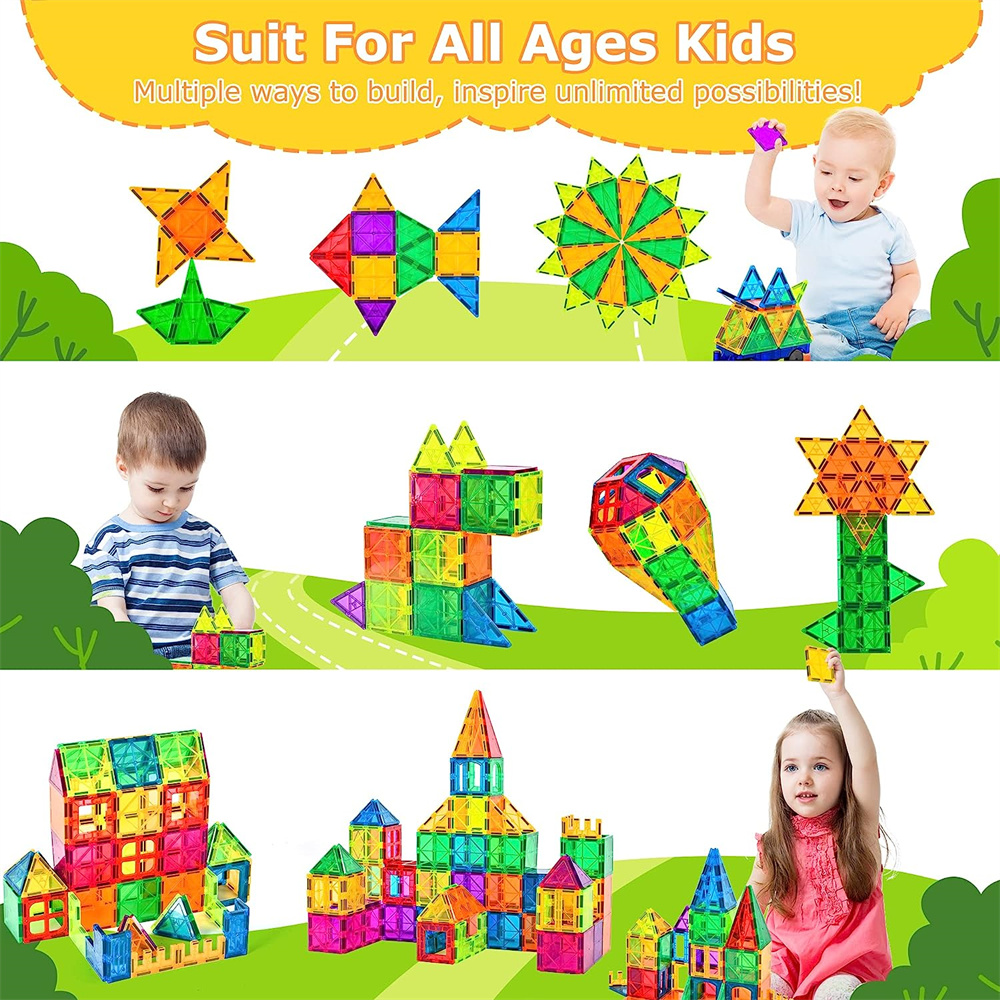

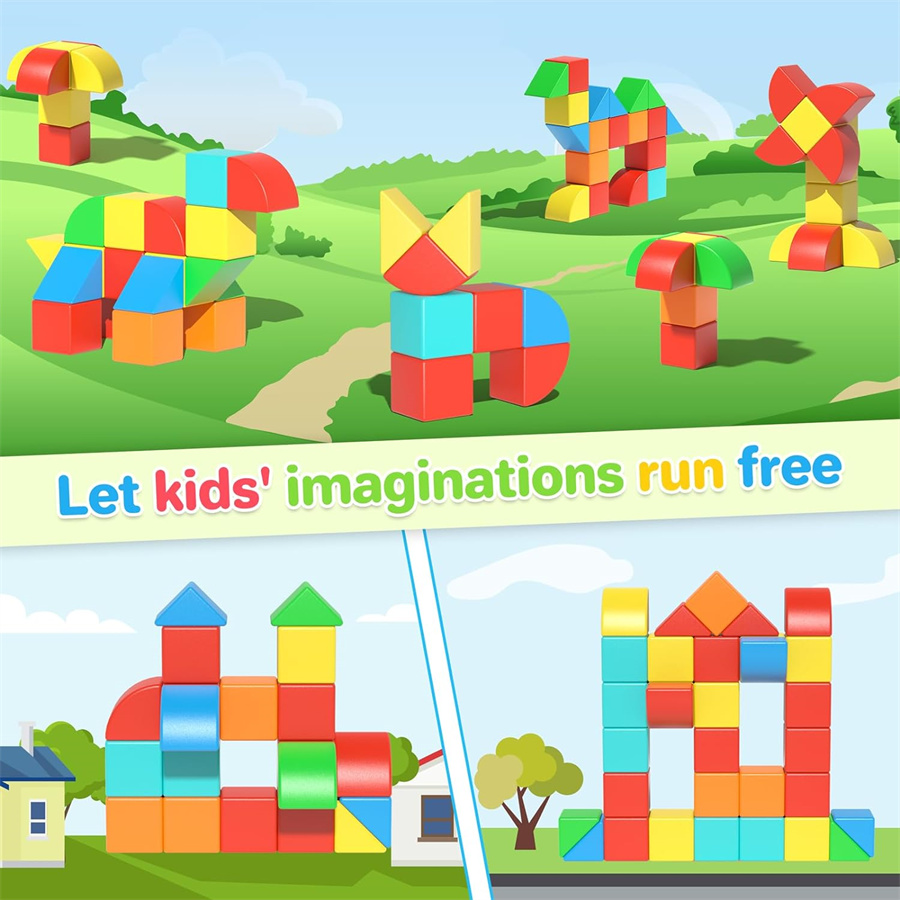


What if the child lacks creativity in the construction process?
If your child is lacking in creativity during the process of building the castle magnet toy blocks, try the following ways to stimulate their creativity:
First, provide a variety of inspiring materials
Books and picture books Find books and picture books about castle architecture, fantasy stories or architectural styles. For example, books introducing famous castles around the world, such as Neuschwanstein Castle in Germany and Edinburgh Castle in the United Kingdom, let children understand the appearance characteristics, architectural structures and historical background of different castles. The beautiful illustrations in the book can visually show the details of the castle, such as the crenel on the wall, the spire of the tower, and the layout of the courtyard inside the castle. Children can draw inspiration from these materials and try to incorporate elements of different castles into their own constructions.
Movies and animations Choose some movies or animations with castle scenes for children to watch. For example, the Hogwarts Castle in the Harry Potter series of movies, its unique architectural style, rich internal structure and mysterious atmosphere can greatly stimulate the imagination of children. After the children watch, discuss the impressive parts of the castle with them, and guide them to think about how to build these scenes out of blocks, such as the auditorium of the magic school, the secret passageway in the tower.
If possible, you can take your children to visit real castles or ancient buildings. Let the child personally feel the tall and majestic castle, observe the brick texture of the wall, the structure of the gate, the appearance of the moat and other practical details. This on-the-ground experience can give children a deeper understanding of the castle, and when they return home, they can better mimic the look of the real castle when building a brick castle, and even add their own imagination to create a more creative castle.
Encourage free association and role playing
Story association leads children to start with a simple story element. For example, ask a child "If the castle belonged to a flying spirit, what would be so special about the castle?" Ask your child to think about castle amenities that elves might need, such as towers to rest their wings, runways to take off quickly, etc. This story-based association can inspire a child to design a castle based on the character's characteristics, thus promoting creativity.
Role-playing Encourage children to role-play. For example, children play the role of castle owner and parents play the role of visiting guests. In this process, children need to introduce their parents to the various functional facilities of the castle. In order to make their castle more attractive, children will take the initiative to think about how to add some unique creative elements, such as a magic fountain that can create a rainbow, and a castle wall that can automatically change colors.

Third, change the rules and conditions of construction
Limiting materials gives children a creative challenge, such as only being allowed to use blocks of a certain shape or color to build a castle. This limitation will force children to think outside the box and think about how to build a complete castle with limited resources. For example, by using only triangular Blocks To Build a castle, a child may find that it is possible to build a castle with a distinctive spire or a tent-like structure.
Create some creative challenges with themes like "Castle of the Future", "Candy Castle", "Castle that moves", etc. These themes can lead children to think beyond the traditional castle concept and use their imagination. For the "castle of the future" theme, a child might think of adding solar panels, flying devices or high-tech defense systems to the castle. For the "candy Castle" theme, children will try to decorate the castle by building candy-like shapes with colored blocks, such as using round blocks to represent lollipop towers.
Fourth, carry out cooperation and exchanges
Organize groups to build castles and arrange children to build castles together with other friends. In the process of collaboration, children will exchange their ideas, different ideas collide with each other, and new creative sparks may be generated. For example, if one child thinks of adding a secret garden to the castle, another may further suggest building a magical fountain in the garden that can talk to animals.
Encourage children to share their castle ideas. Through family displays, social media sharing, or participation in children's creative work sharing activities, children can see other children's creative work and show their own work. In this process, children can learn the creativity of others, and after receiving praise and suggestions from others, they are more motivated to improve their own creative level.